CORIANDER
Soapy for some
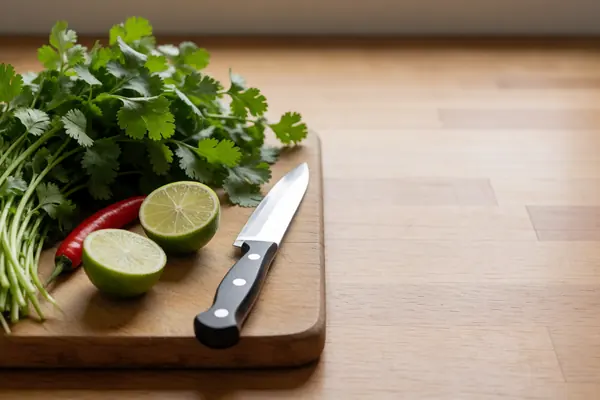
A study of 14,604 people linked tasting coriander as soapy to a genetic variant among smell receptor genes, near OR6A2, which binds the herb's aldehydes. The effect was small.
Check a food doodleicious
WHAT THE RESEARCH SAYS
Two people can eat the same mouthful and taste quite different things.
Check a food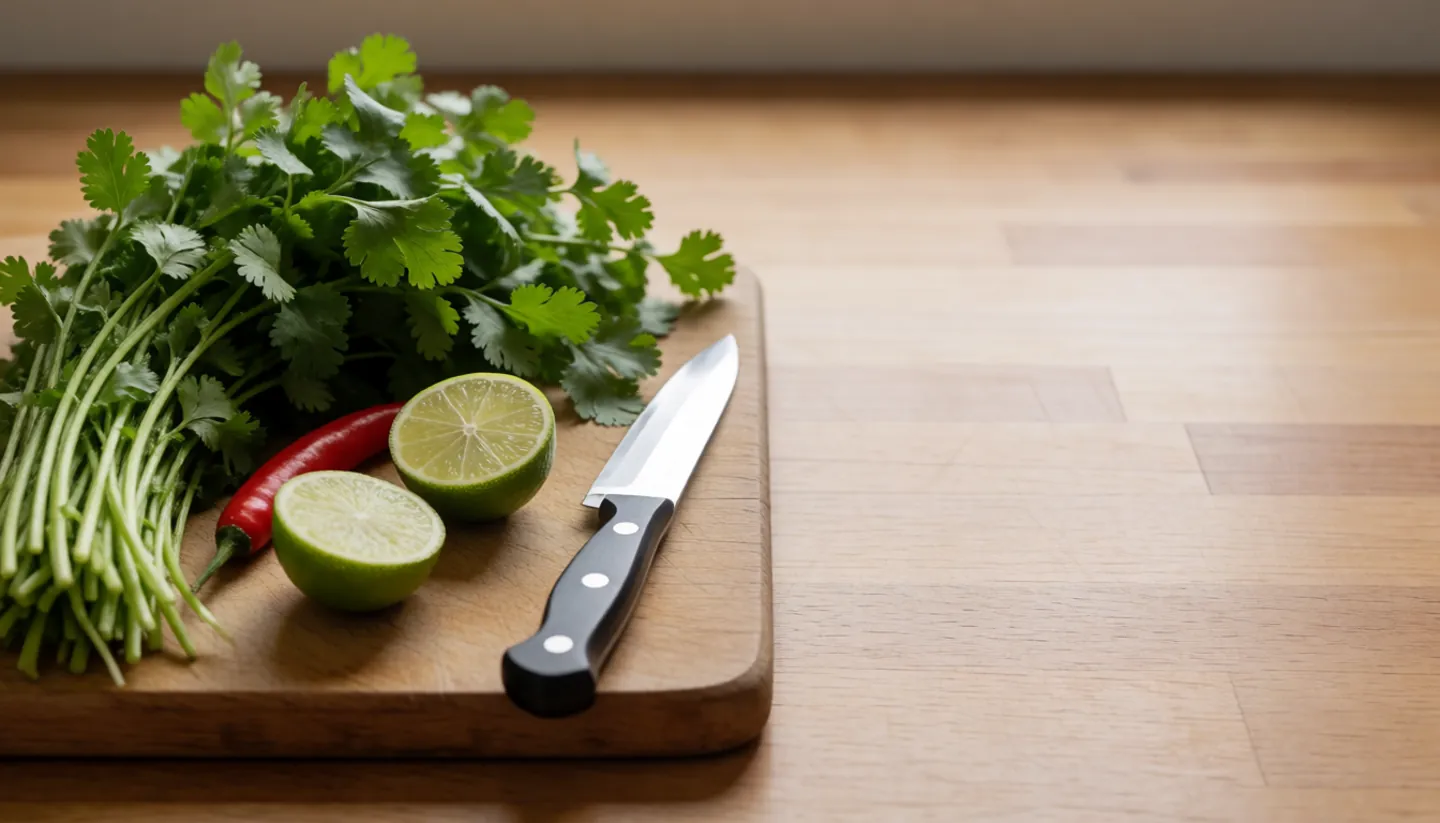
IT'S PERSONALgenes plus experience
Part of the reason is in our genes: in bitter-taste receptors and in hundreds of smell receptor genes. Part is learned, from the foods we grew up with to the one meal that made us ill.
Updated
THE SHORT ANSWER
Three findings on why taste differs
from person to person.
CORIANDER
A study of 14,604 people linked tasting coriander as soapy to a genetic variant among smell receptor genes, near OR6A2, which binds the herb's aldehydes. The effect was small.
Check a foodBITTERNESS
In 1932 a scientist found that PTC dust tasted bitter to colleagues but not to him. Variation in one gene, TAS2R38, explains much of the difference.
See the numbersLEARNING
Many preferences are shaped by what we are used to, especially as children. People new to fermented foods often find them disgusting but can learn to like them.
Learning to likeA QUICK FOOD CHECK
Pick a taste reaction to see what the research says about it. The bar shows how much of the difference between people is linked to genes.
Based on the University of Utah's Learn.Genetics, the University of Delaware's Myths of Human Genetics and a 2012 genome-wide study of coriander taste.
TWO NUMBERS WORTH KNOWING
One figure on a classic bitter test,
one on the genes behind smell.
≈ 25%
People to whom PTC and PROP taste of nothing
To some people these chemicals taste intensely bitter, to others mildly bitter, and to about a quarter they have no taste at all.
BITTER TASTE · LEARN.GENETICS
≈ 400 genes
Human genes that code for smell receptors
Each gene codes for a receptor that responds to a different set of molecules, and each comes in two versions, one from each parent. The mix helps decide which smells you notice.
SMELL · LEARN.GENETICS
Learn.Genetics notes that the flavour of chocolate comes from more than 600 different molecules, which the brain blends into one sensory experience.
FOUR THINGS TO TRY
None of these is a test of anything. They are simple ways to notice how personal flavour is, based on what the research describes.
Ask friends whether it tastes fresh or soapy. You are likely to find both answers at one table.
Smell is tied to memory and emotion, so notice which food smells take you back to a particular place or time.
Preferences shift with exposure, so a taste rejected years ago may be worth another go.
Studies found sensitivity to PTC tends to be lower in older people, so taste can change over a lifetime.
LEARNING TO LIKE
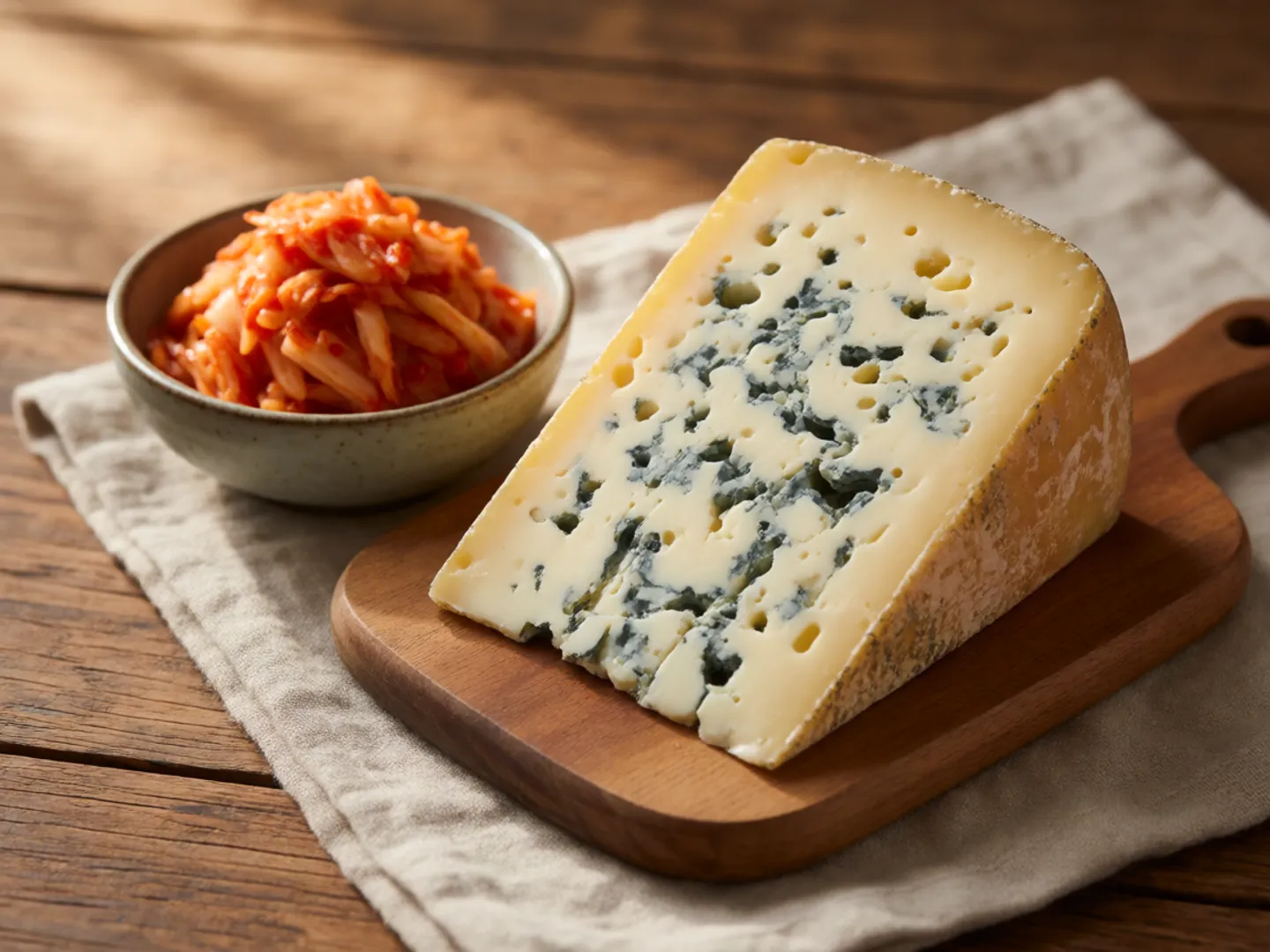
Some preferences are built in: babies like sweet things and reject bitter ones. But much of what we enjoy is shaped by what we ate as children and by the foods of our culture, from spicy dishes to fermented fish.
Smell is closely tied to memory and emotion. Learn.Genetics explains that smell signals go directly to brain areas for emotion and memory, which is why one smell can make one person gag and another feel at home.
Questions
Its aroma comes largely from aldehydes. A 2012 study linked the soapy taste to a genetic variant near OR6A2, a smell receptor gene that binds several of those aldehydes, though genes explained only a small part.
Phenylthiocarbamide, a chemical that tastes very bitter to some people and of nothing to others. It was discovered by accident in 1932 and is often used in classroom genetics.
Mostly but not entirely. TAS2R38 explains much of the variation, but family and twin studies show it is more complicated than the simple dominant-recessive story.
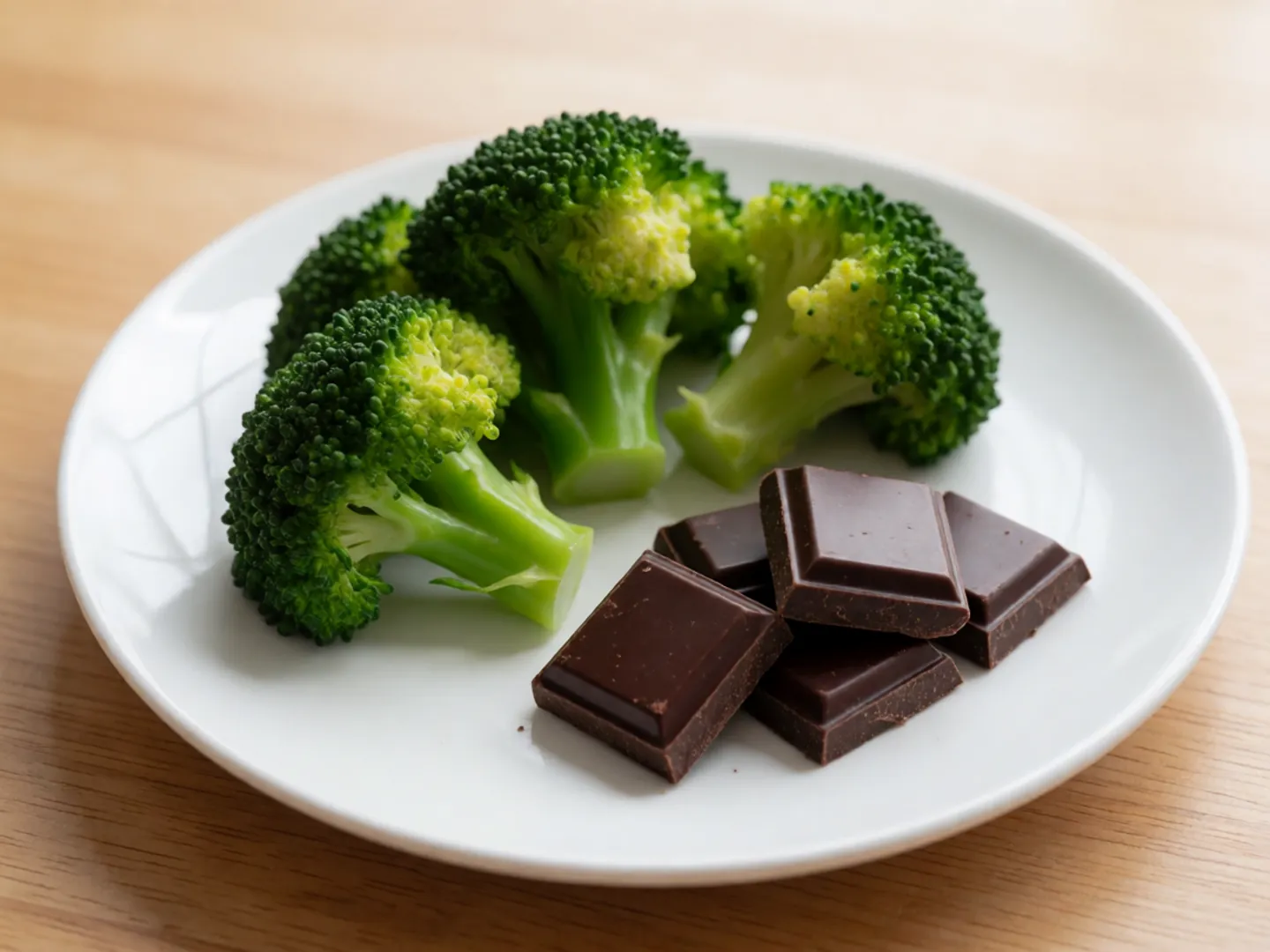
Someone highly sensitive to PTC and PROP. They may find vegetables and citrus unpleasantly bitter. Contrary to popular belief, they do not have more papillae on their tongues.
Often, yes. Many preferences are shaped by exposure, and people who first try foods like strong cheese or fermented fish as adults may learn to like them over time.
ABOUT THIS NAME
doodleicious.com is part of the DoodleSale portfolio. It isn't in an auction right now, but you can ask about leasing it.